🌱 Introduction to Fungal Diseases in Plants
Fungal diseases in plants are among the most common causes of crop loss in agriculture and home gardening. These diseases are caused by various fungi that attack leaves, stems, roots, fruits, and flowers—weakening plant health and reducing yield.
Fungi thrive in warm, humid environments and spread quickly through soil, air, or infected tools. Understanding how fungal infections begin and spread is the first step toward effective plant fungus treatment.
🌾 What Causes Fungal Diseases in Plants?
Fungal infections in plants can occur for several reasons, including:
- Excess moisture and poor air circulation
- Overwatering and waterlogged soil
- Using contaminated tools or equipment
- Planting infected seeds or cuttings
- Lack of crop rotation
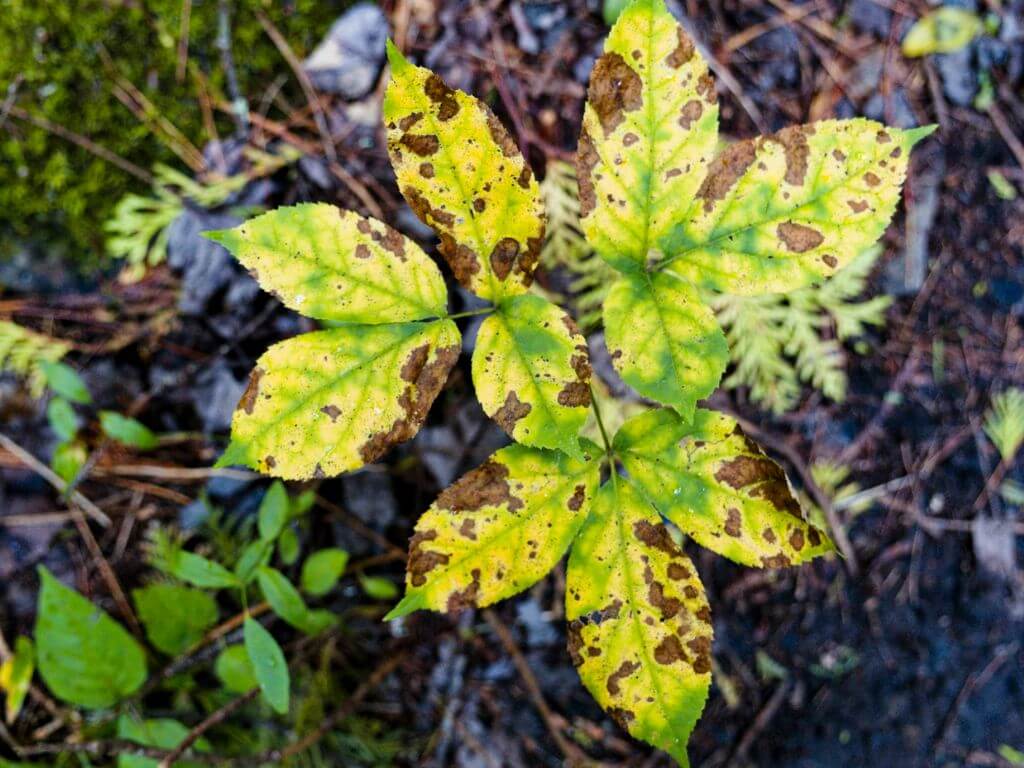
Common fungal diseases in crops like Septoria leaf spot, Alternaria fungi, and Phyllosticta leaf spot often start small but spread rapidly if untreated.
🍃 Types of Fungal Diseases in Plants
Different types of fungal diseases in plants affect different crops and garden plants. Here are some of the most common fungal problems every grower should know:
🌸 1. Powdery Mildew
A white, powdery coating on leaves and stems, commonly seen on vegetables, fruit trees, and roses. Treating powdery mildew on roses requires immediate action with a suitable fungicide for roses or a preventive spray to reduce humidity.
🍅 2. Septoria Leaf Spot
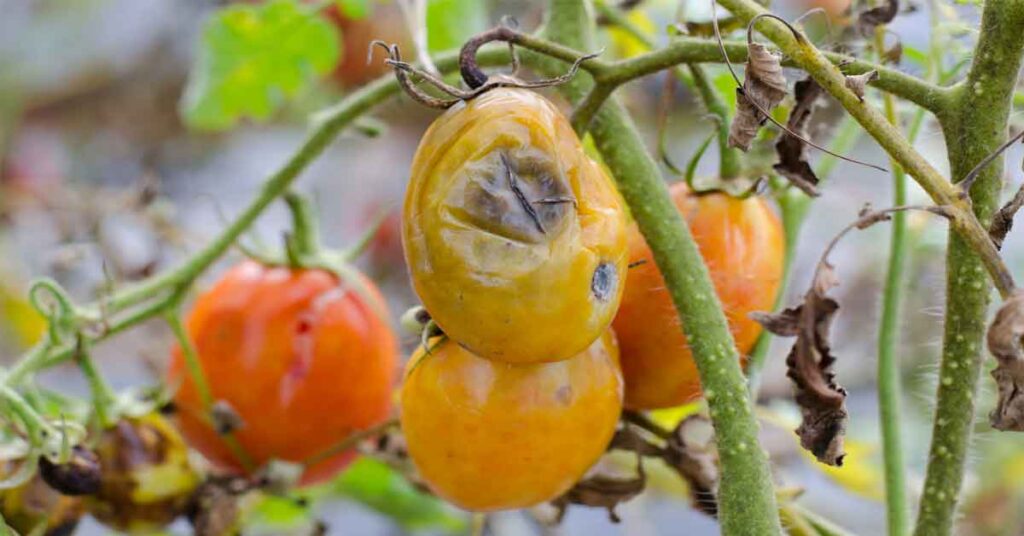
Septoria is a common fungal disease that affects tomato plants, leading to circular brown spots with light centers. Effective tomato plant fungus treatment involves removing infected leaves and using a proper fungicide for tomatoes.
🌾 3. Alternaria Fungi
Alternaria species cause leaf blight and early blight in crops like potatoes, tomatoes, and brassicas. Symptoms include dark, target-shaped spots that expand over time.
🍃 4. Phyllosticta Leaf Spot
Affects ornamental and fruit trees, creating brown or purple spots with dark borders. It spreads through splashing water and infected plant debris.
🌿 5. Rust and Leaf Spot Diseases
These fungal infections appear as orange, yellow, or brown spots on leaves. They often affect cereals, vegetables, and garden plants.
🌳 6. Root Rot and Stem Rot
Caused by soilborne fungi, these lead to decaying roots, stunted growth, and wilting. It’s common in overwatered lawns or areas with poor drainage.
🌼 7. Blight Diseases
Blights rapidly destroy leaves and stems. Good field hygiene and timely use of protective sprays can minimize their spread.
💧 Identifying Fungal Diseases in Plants
The symptoms of fungal infections in plants can be subtle at first. Watch for:
- Yellow or brown patches on leaves
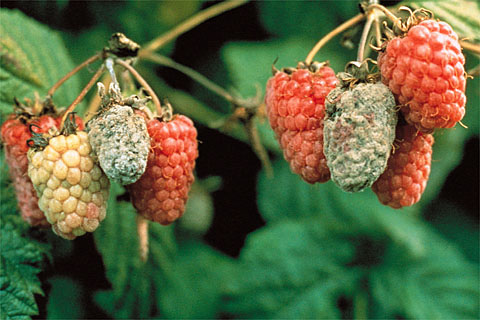
- White or gray mold on stems or fruits
- Wilting despite moist soil
- Root discoloration and softening
- Deformed or dropping leaves
Early detection allows for timely plant fungus treatment and prevents the disease from spreading to nearby plants or crops.
Prevention is the best approach when dealing with fungal diseases in crops. Here are a few essential steps to keep your plants healthy:
✅ 1. Improve Air Circulation
Avoid overcrowding plants. Proper spacing allows air to flow freely, reducing humidity levels around leaves.
✅ 2. Water Smartly
Water early in the morning and target the soil rather than the foliage. Overhead watering increases fungal growth.
✅ 3. Sanitize Tools and Equipment
Disinfect pruning shears and tools after each use to prevent fungal spore transfer.
✅ 4. Crop Rotation
Practice crop rotation to break the fungal life cycle in the soil.
✅ 5. Mulching and Soil Health
Mulching helps prevent soil-borne spores from splashing onto leaves. Good soil health supports plant resistance.
🌿 Plant Fungus Treatment: Effective Control Methods
When preventive steps aren’t enough, plant fungus treatment becomes essential. There are several options depending on the type and severity of infection.
🧴 1. Fungicides for Plants
Using the right fungicide for plants helps eliminate and prevent fungal infections. There are two main types:
- Contact Fungicides – Stay on the plant’s surface and prevent spore germination (examples include chlorothalonil, copper oxychloride).
- Systemic Fungicides – Absorbed into the plant’s system for long-term protection (active ingredients like propiconazole, difenoconazole, metalaxyl).
🌿 2. Fungicide for Specific Plants
- Fungicide for Tomatoes: Helps treat fungus on tomato plants caused by Septoria or Alternaria fungi.
- Fungicide for Roses: Best for treating powdery mildew on roses and black spot diseases.
- Lawn Fungicide Treatment: Used for grass and turf fungal problems like root rot and patch diseases.
🌱 3. Copper-Based Fungicides
Copper fungicide or copper oxychloride are commonly used for vegetables, fruits, and ornamental plants. They prevent fungal spores from growing and protect new leaves.
🌾 4. New-Generation Fungicide Options
Advanced formulations like azoxystrobin, metalaxyl fungicide, and prothioconazole provide broad-spectrum control for various fungal diseases in crops.
Even though some farmers use commercial products such as Folicur, Dithane M-45, and Merivon fungicide, it’s important to apply these according to recommended guidelines and crop type.
🌻 Integrated Disease Management for Fungal Infections in Plants
A balanced, sustainable approach is key. Integrated Disease Management (IDM) combines several strategies to minimize dependency on chemicals while ensuring plant health:
- Regular monitoring of crop health
- Removing infected leaves and debris immediately
- Enhancing soil fertility through balanced nutrition
- Applying fungicides only when necessary
- Using resistant crop varieties
This holistic approach prevents fungal diseases in plants without damaging the ecosystem.
🌾 Fungal Diseases in Crops and Their Control
Different crops face different fungal challenges. Here’s how to handle them effectively:
🍅 How Fungal Diseases in Plants Impact Tomato Growth and Yield
- Common diseases: Septoria leaf spot, Early blight, Fusarium wilt
- Treatment: Prune lower leaves, apply fungicide for tomatoes, and improve drainage.
🌹 Roses
- Common diseases: Powdery mildew, Black spot
- Treatment: Ensure good airflow, avoid overhead watering, and apply fungicide for roses as a preventive spray.
🌳 Trees and Lawns
- Common issue: Trees infected with fungus often show bark decay or leaf discoloration.
- Solution: Use lawn fungicide treatment or soil drenching for roots.
Different crops face different fungal challenges. Here’s how to handle them effectively:
🍅 Fungal Diseases in Plants: Common Infections Affecting Tomato Plants
- Common diseases: Septoria leaf spot, Early blight, Fusarium wilt
- Treatment: Prune lower leaves, apply fungicide for tomatoes, and improve drainage.
🌹 How Fungal Diseases in Plants Damage Roses and Ways to Prevent Them
- Common diseases: Powdery mildew, Black spot
- Treatment: Ensure good airflow, avoid overhead watering, and apply fungicide for roses as a preventive spray.
🌳 Common Fungal Diseases in Plants Affecting Trees and Lawns
Solution: Use lawn fungicide treatment or soil drenching for roots.
Common issue: Trees infected with fungus often show bark decay or leaf discoloration.
🌿 Future of Managing Fungal Diseases in Plants
With continuous research and agricultural innovation, modern fungicides and crop protection methods are becoming safer and more efficient. Active ingredients like azoxystrobin and propiconazole are widely studied for their effectiveness against multiple fungi species.
The future focus lies in integrating these technologies with precision farming and soil health improvement to create sustainable, disease-resistant farming systems.
🌱 Conclusion: Healthy Plants Begin with Awareness and Prevent Fungal Diseases in Plants
Controlling fungal diseases in plants requires knowledge, observation, and preventive care. By following good cultural practices, monitoring plant health regularly, and using the right fungicide treatment when needed, farmers and gardeners can effectively manage fungal infections in plants.
A proactive approach ensures that your crops and gardens remain green, vibrant, and productive all year round.