Modern farming is moving toward sustainability, and one of the biggest changes farmers are adopting is crop protection without chemicals. Chemical pesticides have long been used to control pests, diseases, and weeds, but they also come with disadvantages—soil degradation, loss of beneficial insects, environmental contamination, and increasing resistance among pests.
Today, more farmers are choosing natural crop protection methods that support soil health, protect biodiversity, and produce healthier crops. This blog explains what crop protection without chemicals means, its benefits, techniques, real examples, and why it is increasingly important for the future of agriculture.
What Is Crop Protection Without Chemicals?
Crop protection without chemicals refers to safeguarding crops from pests, diseases, weeds, and nutrient loss without using synthetic pesticides or chemical fertilizers. Instead, farmers rely on biological pest control, natural insecticides, organic farming practices, cultural techniques, and environmentally responsible methods.
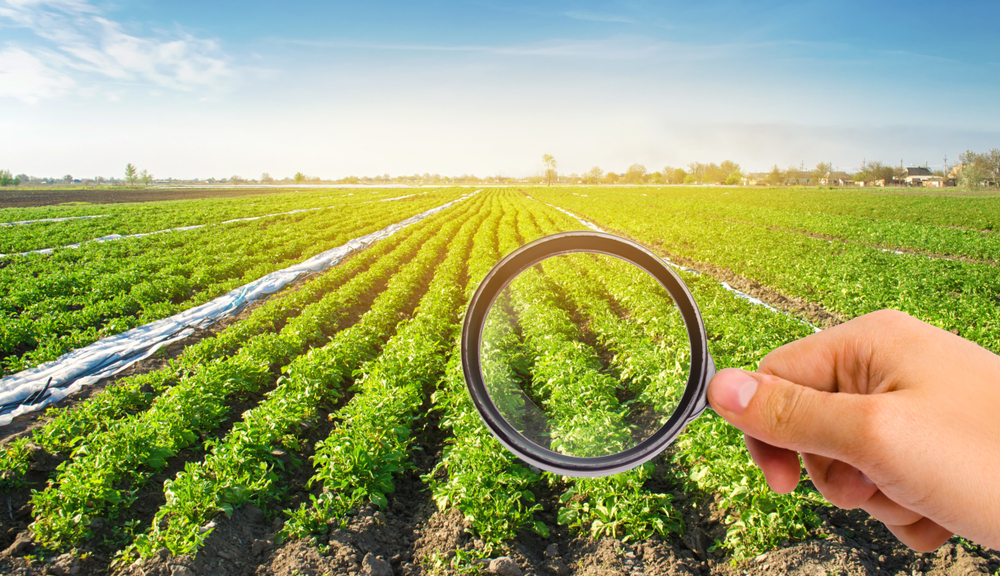
Why modern farmers prefer crop protection without chemicals
- Consumers are demanding chemical-free food.
- Long-term soil fertility is higher with natural farming.
- Production costs decrease.
- Pest resistance is reduced.
- It supports healthier ecosystems.
Rising demand for natural and eco-friendly agriculture: Crop Protection Without chemicals
With global awareness increasing, organic farming, zero-budget farming, and sustainable farming practices are being adopted in India, Europe, and many parts of the world. Governments and agricultural organizations are promoting sustainable crop protection techniques that are safer for the environment and human health.
Benefits of Crop Protection Without Chemicals
Choosing natural farming methods brings long-term advantages.
Cost savings and better soil health with crop protection without chemicals
Chemical pesticides may give quick results, but they damage soil structure, kill microorganisms, and lower natural fertility. Natural methods like compost, neem oil, and crop rotation improve soil fertility at low cost.
Increased crop yield with natural methods
Healthy soil and balanced ecosystems help crops grow stronger and resist diseases naturally. In many cases, long-term yield becomes higher than chemically treated fields.
Environment-friendly farming practices
Chemical-free crop protection prevents:
- Soil pollution
- Water contamination
- Death of beneficial insects
- Harm to human health
It also helps restore the natural food chain in the field.
Crop Protection Without Chemicals Using Traditional Techniques
Before industrial agriculture began, farmers relied on natural crop protection strategies. Many of these methods are still the best solutions today.
Crop rotation for natural disease and pest control
Crop rotation is one of the most powerful natural farming techniques. By changing the crop every season, pests and diseases that depend on one plant cannot survive. For example:
- Rice → chickpea → cotton
- Wheat → mustard → millet
This simple strategy breaks pest life cycles and naturally reduces infestations without spraying harmful chemicals.
Mixed cropping and intercropping methods
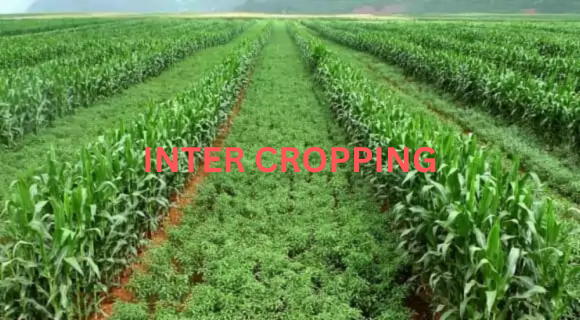
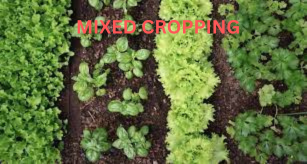
Growing multiple crops in the same field protects plants by:
- Distracting pests
- Reducing spread of diseases
- Improving soil nutrients
Examples include:
- Maize + beans
- Groundnut + castor
- Millet + pigeon pea
Companion planting to reduce pest attacks
Some plants protect others. For example:
- Marigold repels nematodes
- Basil repels whiteflies
- Garlic repels aphids
This approach helps farmers reduce chemical dependency while maintaining crop health.
Crop Protection Without Chemicals Using Natural Insecticides
Natural or plant-based insecticides are safe for humans and beneficial insects.
Neem oil as a natural pest control solution
Neem is the most powerful natural pesticide used in India. Neem oil works as:
- Anti-feedant
- Egg-laying inhibitor
- Growth regulator
It is effective against aphids, mites, whiteflies, caterpillars, and many other insects.
Cow urine and Panchagavya for organic farming
Many traditional Indian farms use cow dung and cow urine to create natural sprays that protect crops while improving soil microbial activity.
Homemade natural sprays for crop protection
Farmers can easily prepare:
- Chili-garlic spray
- Rice-wash solution
- Buttermilk bio-sprays
These solutions are cost-effective, safe, and effective against common insects.
Biological Methods for Crop Protection Without Chemicals
Biological control uses natural enemies to reduce pest populations.
Natural predators and beneficial insects
Examples include:
- Ladybugs: control aphids
- Spiders: control leafhoppers
- Praying mantis: controls caterpillars
- Parasitic wasps kill leaf-boring insects
Encouraging these predators helps maintain pest control naturally.
Use of microbial bio-pesticides for plant safety
Microbial pesticides such as:
- Bacillus thuringiensis (Bt)
- Trichoderma
- Pseudomonas fluorescens
These microorganisms destroy pests and diseases without harming crops, animals, or humans.
Soil Health Management for Crop Protection Without Chemicals
Strong soil leads to strong plants. When soil is rich in organic matter, pests struggle to infest crops.
Organic manure and compost to boost soil strength
Adding compost improves:
- Soil structure
- Water retention
- Nutrient availability
- Root growth
Vermicompost for improving crop resistance naturally
Earthworms produce vermicompost, which increases beneficial microorganisms and helps plants resist diseases naturally.
Weed Control and Crop Protection Without Chemicals
Chemical weedicides pollute soil and water. Natural weed control methods include:
Mulching and physical weed removal
Mulching with straw, leaves, or plastic sheets prevents sunlight from reaching the weeds, reducing growth without herbicides.
Eco-friendly farming methods for weed suppression: crop protection without chemicals
Other methods include:
- Crop density planning
- Manual weeding
- Water management
- Flame weeding
These techniques avoid chemical contamination and preserve soil quality.
How to Improve Crop Yield with Crop Protection Without Chemicals
By improving soil health, biodiversity, and natural resilience, farmers can grow stronger crops.
Reducing chemical dependency in agriculture
When dependence on chemical pesticides reduces, costs go down, and soil health improves.
Enhancing the natural resistance of plants by crop protection without chemicals
Plants fed with organic nutrients develop stronger cell walls and can fight diseases naturally.
Challenges in Adopting Crop Protection Without Chemicals
While effective, adoption is slow due to:
Lack of awareness among small farmers about crop protection without chemicals
Many farmers still believe chemical pesticides are the only option available.
Need for training and field demonstrations on crop protection without chemicals
To promote natural farming, agricultural officers and organizations must provide:
- Workshops
- Field visits
- Success stories
Future of Crop Protection Without Chemicals in India
The future looks promising.
Government support for crop protection without chemicals and organic farming
Government schemes, subsidies, and training programs are encouraging farmers to adopt natural crop protection methods.
Increasing market demand for crop protection without chemicals
Consumers now prefer:
- Organic vegetables
- Chemical-free grains
- Sustainable farm products
This creates better income opportunities for farmers using organic production methods.
Conclusion
Crop protection without chemicals is not just a farming technique—it is a sustainable agricultural movement that benefits the soil, environment, farmer, consumer, and future generations. By using crop rotation, natural insecticides, biological control, companion planting, and organic soil management, farmers can reduce chemical usage and produce healthier crops with higher long-term productivity.
The transition may require awareness and training, but the results are environmentally safe, economically beneficial, and scientifically proven. As consumer demand grows and government support increases, natural farming is set to play a major role in the future of agriculture.