Introduction of the Best Insecticides for Agriculture:
Protecting crops from pests is essential for maintaining high yield and sustainable farming. Even when farmers use the best insecticides for agriculture, poor application techniques can reduce performance. Correct spraying, dosage, timing, and coverage are critical elements of agricultural pest control. This blog explains practical insecticide application tips to improve crop protection and increase field productivity.
This blog discusses the importance of insecticide use, tips for proper application, and recommendations for selecting the right pesticide solutions. We will also highlight modern trends such as natural insecticide options, safety guidelines, and strategic pest management practices.
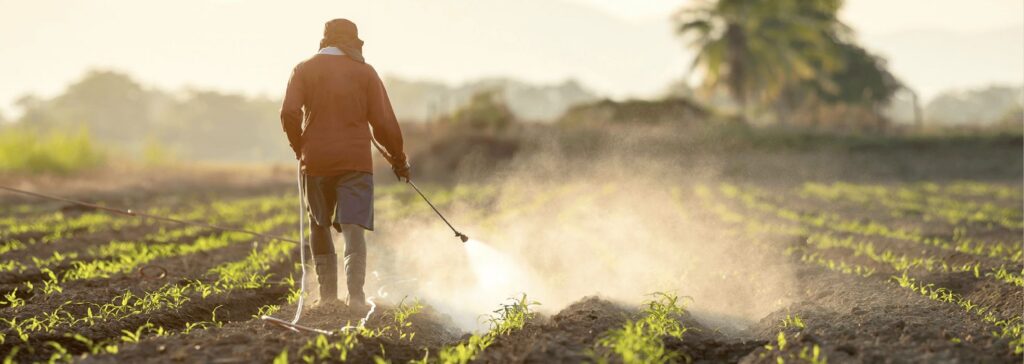
Understanding the Role of Insecticides in Modern Farming
Before discussing the Best Insecticide for Agriculture, it is important to understand why insecticides are widely used. Insects destroy millions of tons of crops every year, leading to significant economic losses. Insecticides protect crops from:
- Leaf-feeding caterpillars
- Sucking pests like aphids and jassids
- Borers and beetles
- Mites and fungal infections
- Storage pests
The use of insecticides helps maintain pest-free fields, supports plant growth, and ensures farmers get better market value from their harvest.
Best Insecticides for Agriculture: Types of Insecticides Used by Farmers
To choose the best insecticide for agriculture, farmers must understand the different types available:
1. Systemic Insecticides : Best Insecticides for Agriculture
These enter the plant system and protect crops from the inside. They are effective against sucking pests like aphids, whiteflies, and jassids.
2. Contact Insecticides: Best Insecticides for Agriculture
These destroy pests on direct contact. Sprayers must be used efficiently to achieve good coverage.
3. Natural or Organic Insecticides: Best Insecticides for Agriculture
These include:
- Neem oil
- Herbal extracts
- Plant-based compounds
A natural insecticide is safe, eco-friendly, and ideal for organic farming practices.
4. Biological Insecticides: Best Insecticides for Agriculture
These include products derived from beneficial bacteria, fungi, or viruses that attack specific pests.
5. Fumigation and Bed Bug Insecticide: Best Insecticides for Agriculture
These are used for storage pest management and can also work against pests such as bed bugs, termites, and mites that invade stored grains.
Understanding these categories helps farmers select the right product for their crop and pest pressure.
Best Insecticide for Agriculture: Key Factors for Choosing the Right Product
When selecting the best insecticide for agriculture, farmers should consider:
- Crop type
- Pest type and infestation level
- Weather conditions
- Residual effect and duration
- Cost and application frequency
- Resistance management
Choosing the wrong insecticide can lead to poor performance and wasted investment.
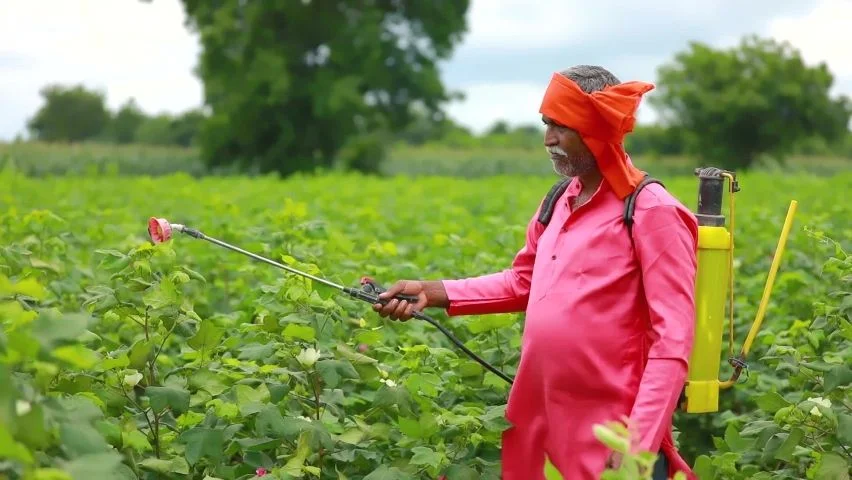
How to Apply Insecticides Correctly for Maximum Effectiveness
Even the best insecticide for agriculture will not work if not applied properly. Below are expert tips farmers should follow:
1. Use the Right Insecticide Spray Equipment
Good spraying equipment ensures fine, even droplet distribution. Farmers can choose:
- Battery sprayers
- Knapsack sprayers
- Drone sprayers (modern robotics in farming)
- Power sprayers
Proper spraying increases the coverage of leaves from all angles, improving effectiveness.
2. Follow Recommended Dosage
Overdosing can burn plants and create toxic resistance. Underdosing will not kill pests effectively. Always follow the instructions from reputable insecticide manufacturers and agricultural extension offices.
For maximum effect:
- Spray early morning or late evening
- Avoid spraying under direct sunlight
- Do not spray before rainfall
Correct timing ensures better absorption and reduces wastage.
Using clean, neutral pH water is crucial. Hard or contaminated water reduces insecticide efficiency. Farmers should regularly check the pH and mineral content of their water sources.
5. Adjust Nozzle Size and Pressure
Different crops require different spray droplet sizes:
- Vegetables: fine droplets
- Cotton & maize: medium droplets
- Paddy & sugarcane: coarse droplets
Adjusting nozzle pressure improves coverage and reduces wastage.
6. Use Sticker or Spreader Agents
Combining the insecticide spray with a spreader ensures better adhesion and deeper coverage, increasing pest mortality rates.
Best Insecticide for Agriculture: Safety Guidelines for Farmers
While using insecticides, farmer safety must always come first. Follow these guidelines:
- Wear gloves, masks, aprons, and goggles
- Avoid eating or smoking during mixing and spraying
- Do not spray against wind direction
- Wash hands, face, and sprayer after use
- Store chemicals safely away from children and livestock
Safe handling is as important as selecting the right product.
Integrated Pest Management (IPM): Smarter Way to Use Insecticides
To gain maximum benefit from the best insecticide for agriculture, farmers should adopt Integrated Pest Management (IPM). IPM reduces overdependence on chemicals and combines:
- Field monitoring
- Cultural practices
- Use of natural predators
- Use of natural insecticides
- Need-based chemical sprays
This balanced approach helps:
- Reduce residue
- Prevent pest resistance
- Promote sustainable crop production
Use of Insecticides in Organic Farming
Even organic farming requires pest management. Instead of synthetic chemicals, natural insecticide options like neem oil, chilli extract, garlic extract, and biological products are used. These:
- Protect soil microorganisms
- Ensure chemical-free harvest
- Improve plant immunity
Many advanced natural formulations developed by leading insecticide manufacturers are now available, giving farmers excellent eco-friendly pest control.
Best Insecticide for Agriculture: Benefits for Farmers
Using the best insecticides provides farmers with several advantages:
- Higher productivity
- Faster crop recovery from pest damage
- Better plant growth and flowering
- Improved final yield
- Higher market price due to better quality
- Reduced risk of financial losses
Every rupee spent on effective pest control delivers a strong return when done correctly.
Common Mistakes Farmers Should Avoid
Even expert farmers sometimes make mistakes. Avoid:
- Mixing multiple products without guidance
- Using expired insecticides
- Spraying too frequently
- Not rotating active ingredients
- Ignoring early pest attacks
Being alert and informed helps maintain long-term soil and crop health.
Conclusion: Choosing the Best Insecticide for Agriculture Leads to Better Yield and Profitability
Pest management is essential for modern agriculture, and choosing the Best Insecticide for Agriculture plays a major role in protecting crops from pests and diseases. With proper application methods, high-quality products, safety precautions, and modern practices like IPM, farmers can protect their fields, maintain crop health, and improve yields.
Whether using synthetic formulations or natural insecticide solutions, the key lies in:
- Selecting the right product
- Applying it at the right time
- Following recommended guidelines
By staying updated with modern agricultural practices and technologies, farmers can ensure sustainable crop protection and long-term success.